
Berlin: Anahita Sadighi

Anahita Sadighi (center right), with the Soft Power team: María Inés Plaza Lazo (centre left), Judith Haase (left) and Pierre Jorge Gonzalez (right). Image: Yanae Reichert.
Anahita Sadighi is a Tehran born, Berlin Based gallerist, curator, and founder of Soft Power, a festival presented with Berlin Art Week, 11 – 13 September 2026.
Anahita opened her eponymous gallery in 2015, continuing the legacy of her father whose gallery Neiriz specialised in non-European art. Galerie Anahita Sadighi continues this tradition of challenging the western notions of art, expanding on what’s commonly placed within the Berlin gallery context.
Building on this, she founded Soft Power in 2025 to bridge cultural worlds and their political potential ona larger, public stage.Soft Power is a transdisciplinary festival, which will take place at Haus der Visionäre as a special project for Berlin Art Weekend, 11 – 13 September 2026 to hold together art, nightlife and conversation in a continuous practice.
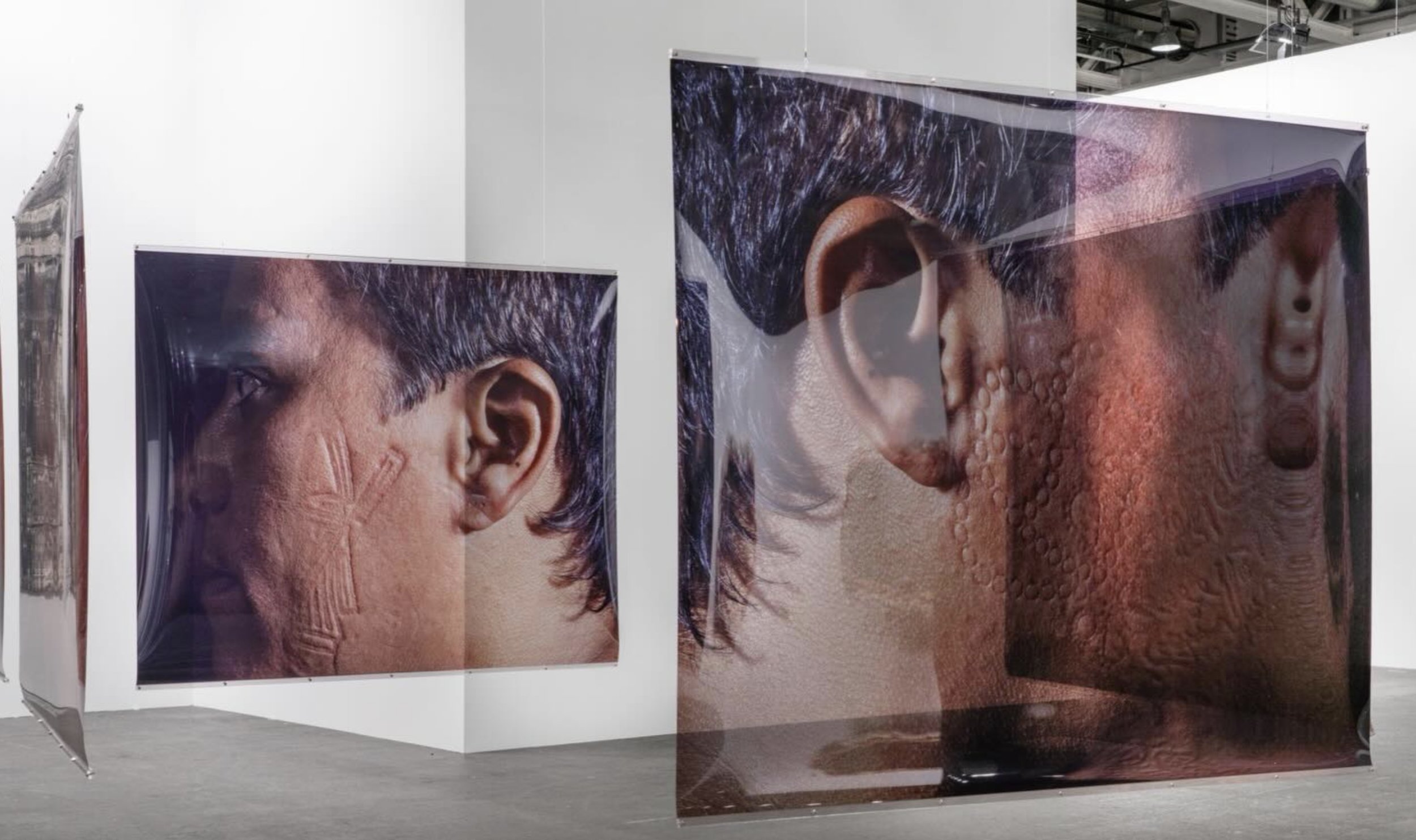
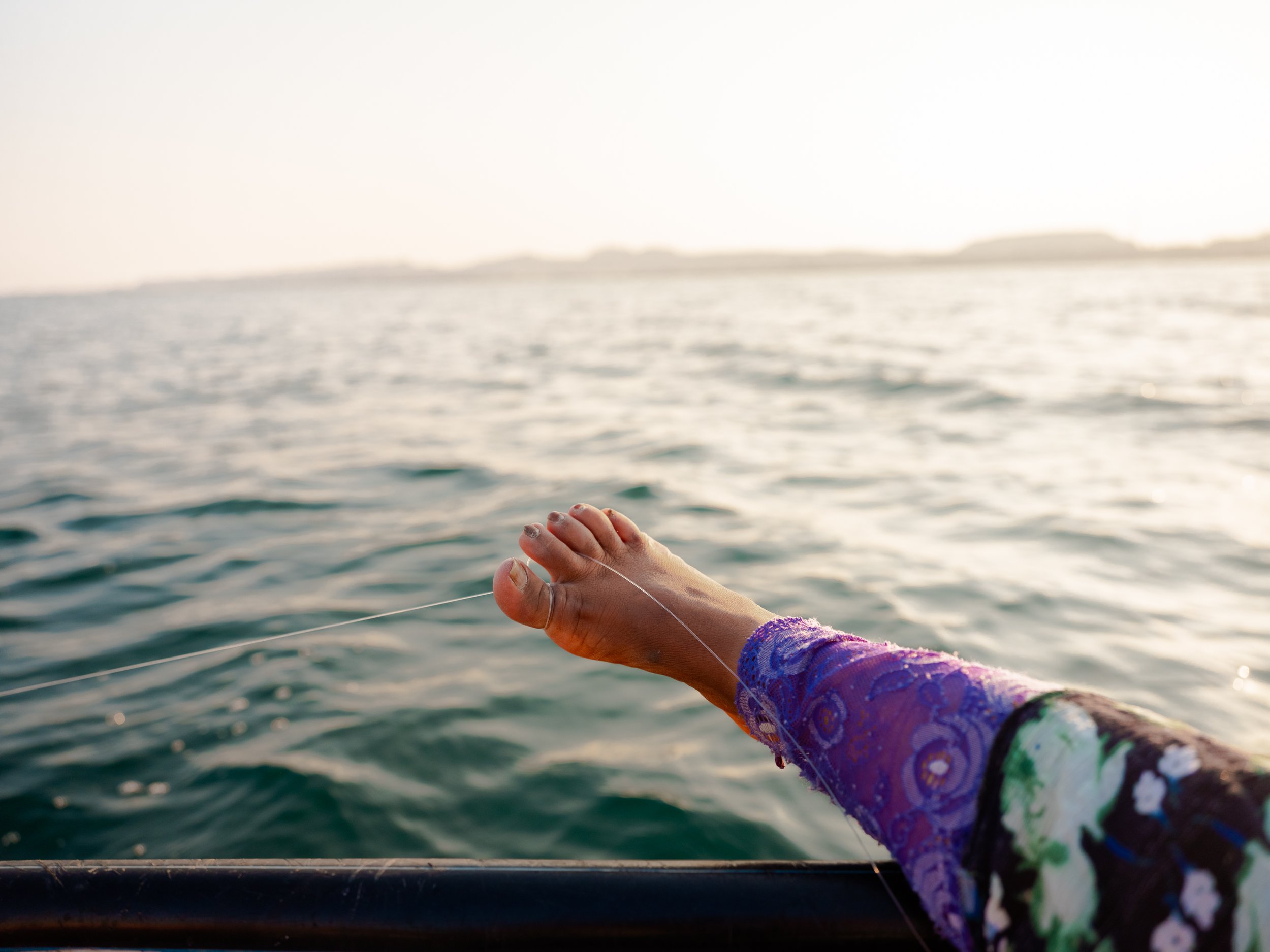

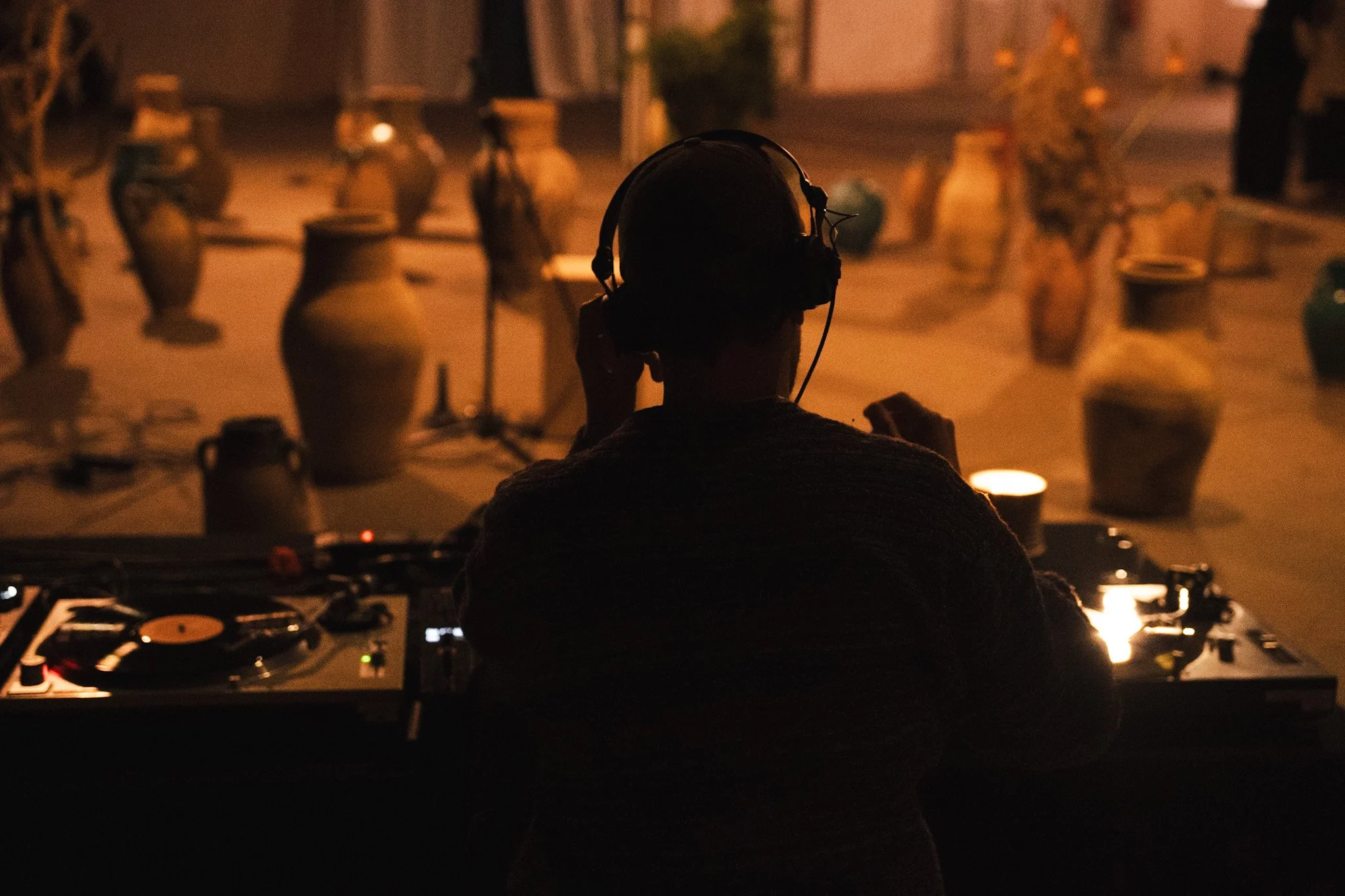
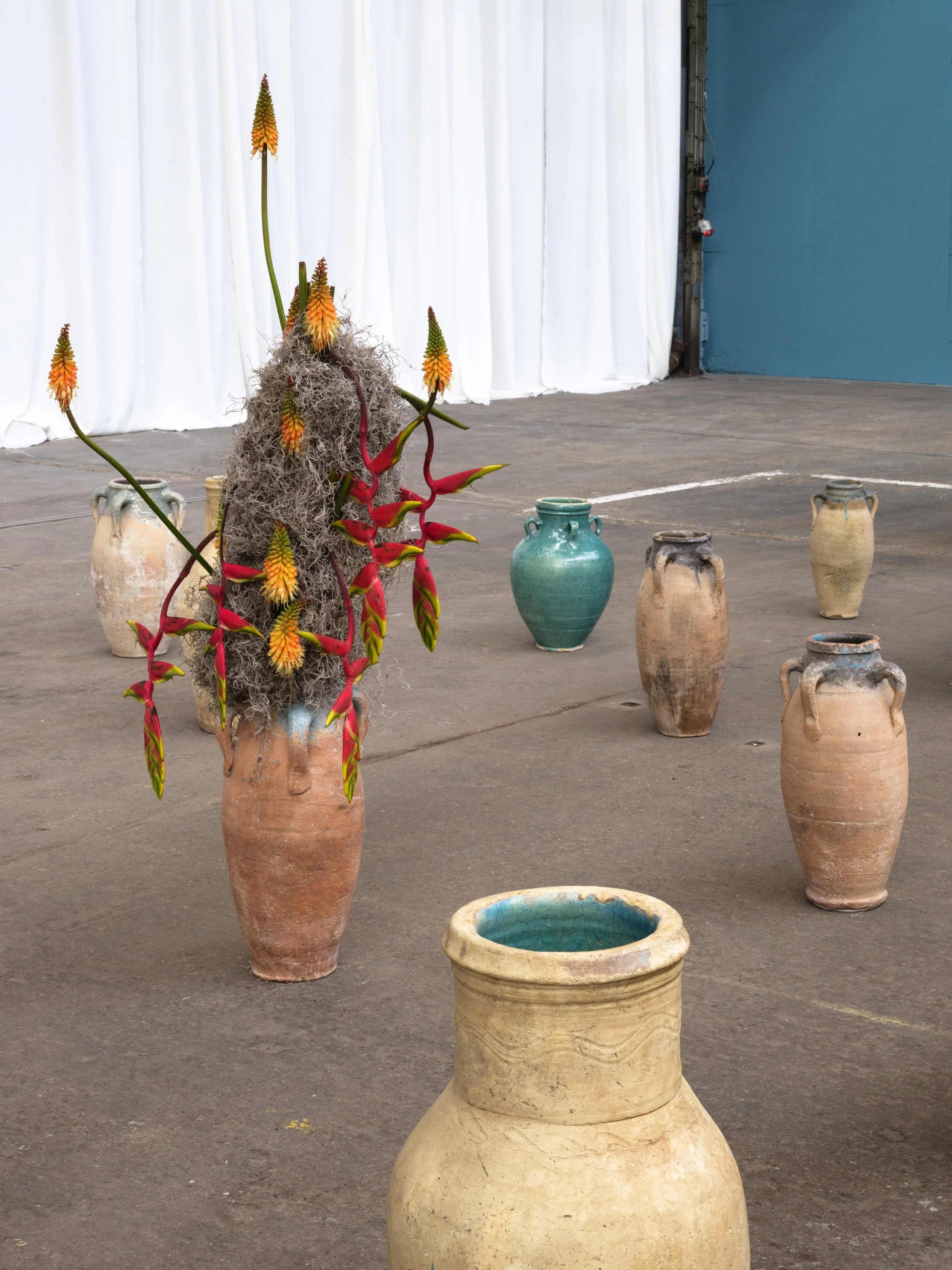
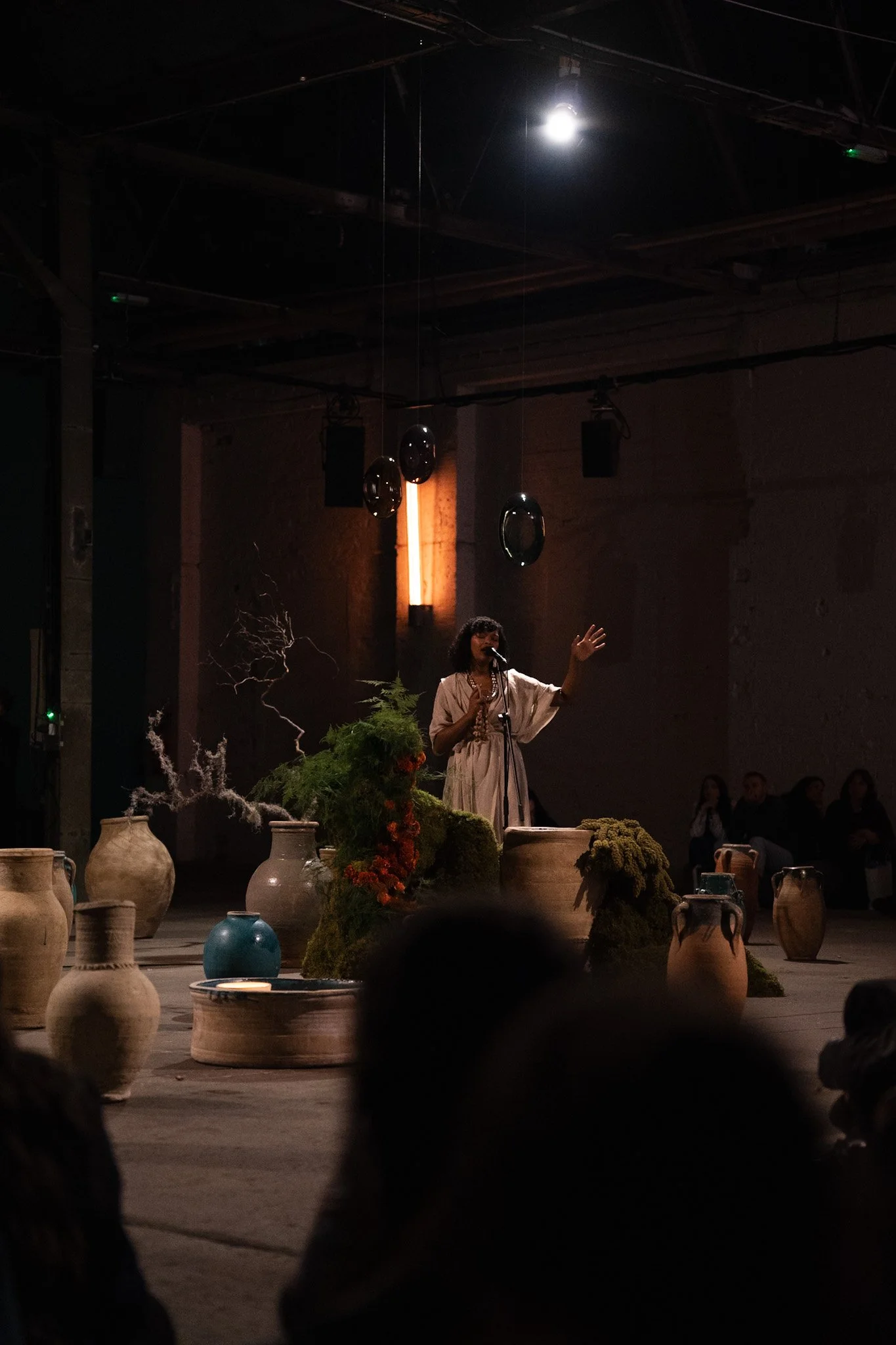
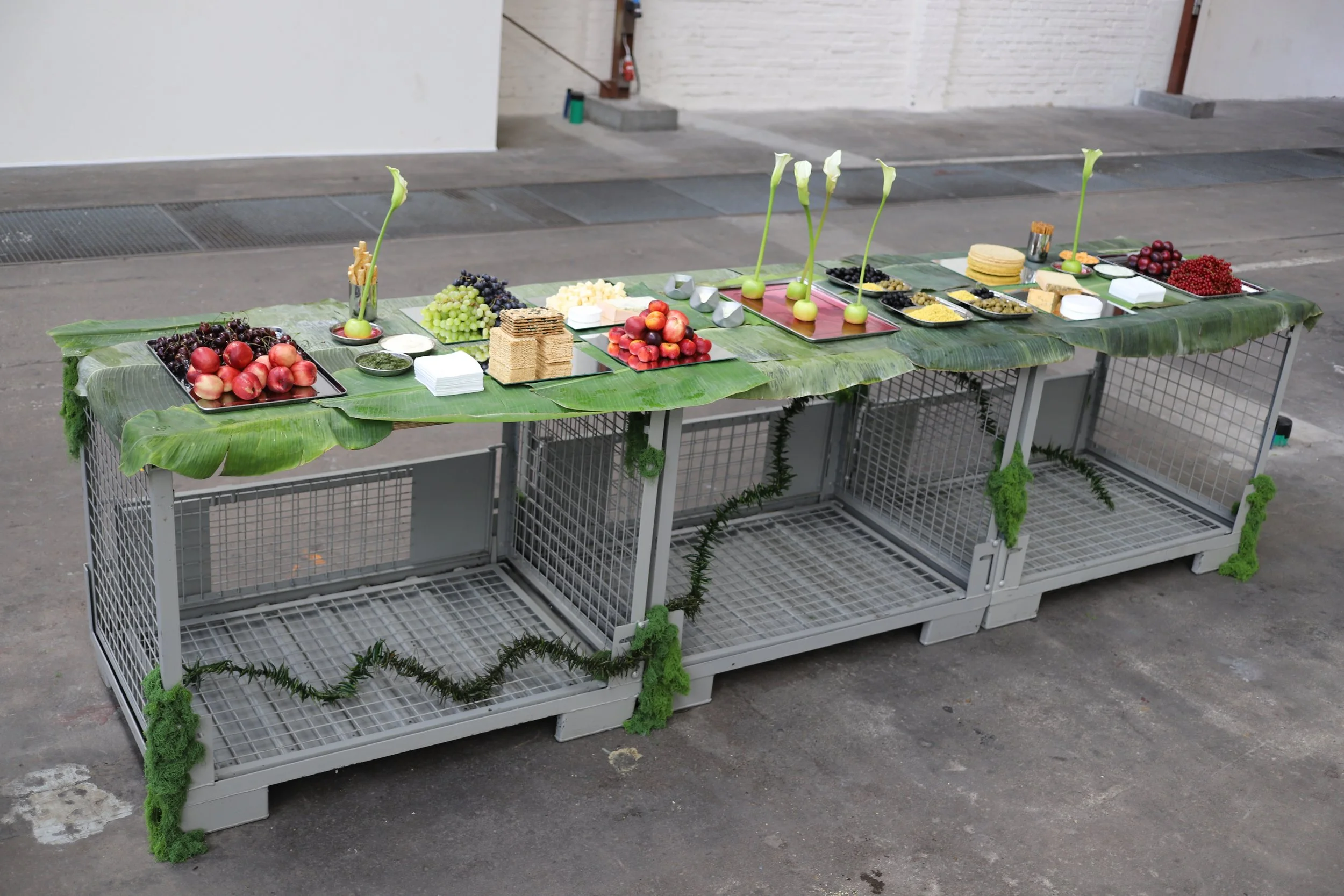
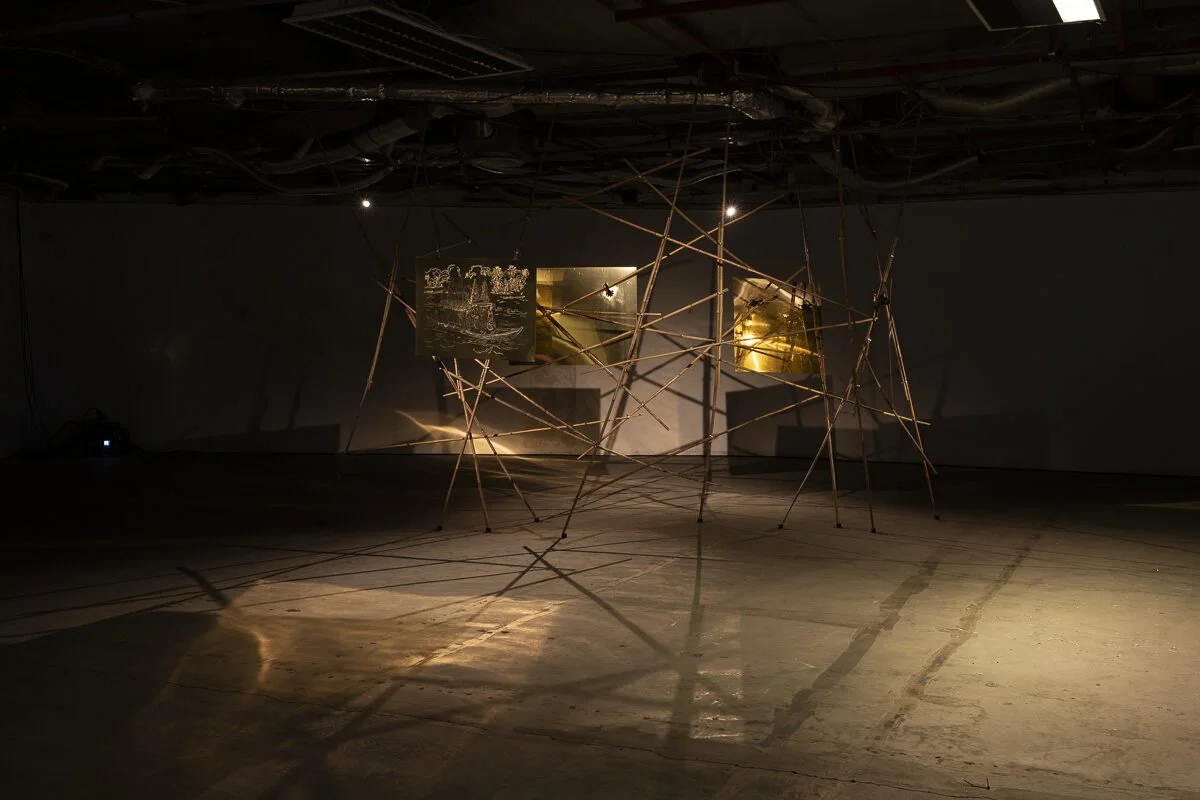
Credits: (1) Akshita Garud; (2) Berni Searle (3) Forough Alaei, The last Thread courtesy the artist (4) Hashem Shakeri, from the series The Kahur Does Not Fall Unless the Earth Wills It, Balochistan, Iran, 2018–ongoing (5) Live Performance Soft Power Festival 2025 (6) Installation view Soft Power 2025 with Anahita Sadighi, Image: Roman März (7) LoftRadio x DLD x Haus der Visionäre (8) Simon Speiser, Cuerdas del Manglar. Image: Mirka Pflueger.
As the artistic director, Anahita guides the programme from her interest in the shape of institutions to come, informed by her work across ancient art and contemporary music, connecting histories and forms of knowledge that are rarely placed in the same frame. The festival encompasses an exhibition, 48-hour dancefloor, a radio station, conversations and culinary experiences, as grounds upon which to come together and enact culture’s ability to have impact.
At the conceptual center of Soft Power is an exhibition, co-curated with María Inés Plaza Lazo, that brings together 40 artists and their works spanning from performance to food as an art form. This expansive exhibition will be extrapolated into an ambitious programme of talks, where conversations include the power of collective imagination, where culture intersects with politics, and the importance of nightlife.
Esteemed speakers at Soft Power include Céline Semaan – award-winning equity climate designer, and co-founder of Slow Factory and Everything is Political; Alice Hasters, the celebrated German journalist, podcaster and author known for her bestseller titled: What White People Don't Want to Hear about Racism but Should Know Anyway (2019).
It’s clear from the main themes of Soft Power what’s important to Anahita, so we are excited to have her insights to the city of Berlin! Moteshkaram and Danke Anahita!
☉ Can you tell us about how food comes into Soft Power?
Food is one of the central threads running through Soft Power — not just as hospitality, but as a form of cultural memory and resistance in its own right.
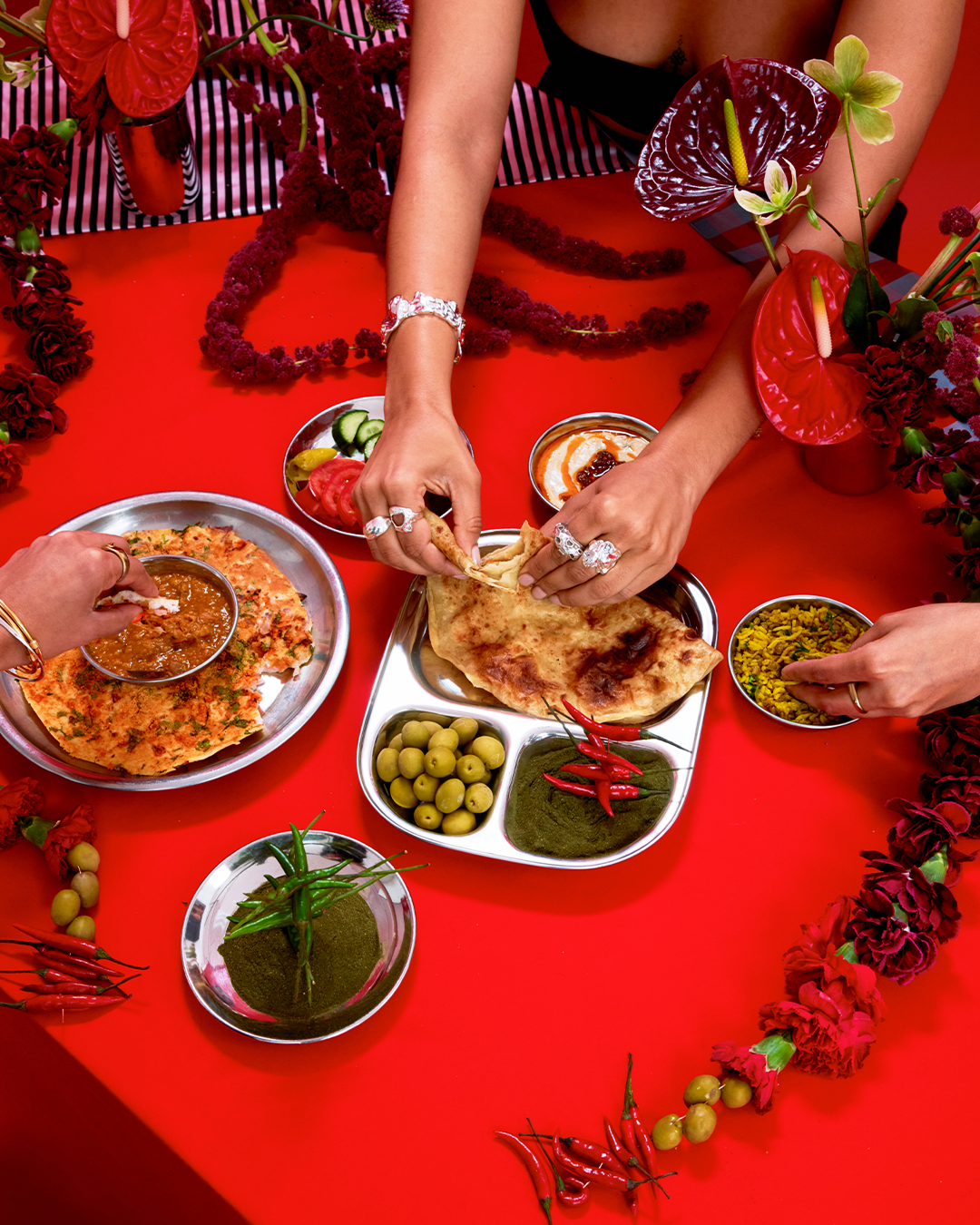
The programme opens with Caique Tizzi's Food as a Cultural Practice: Memory, Migration and the Politics of Nourishment — an edible installation that transforms the circular table-stage into a site of ritual, gathering, and shared experience. Blurring sculpture, performance, and hospitality, the work invites visitors to activate the installation through eating, marking the beginning of the programme.
Alongside that, Akshita Garud presents Spice as Soft Power. Across the world, strategically undervalued communities use food as a vital act of rebellion to preserve their identity when under threat. In the Indian context, while British colonial rule stripped away political control, it could never conquer the domestic kitchen — families retained their sovereignty by preserving complex spice profiles, regional fermentation and ancestral alchemy. Garud's installation confronts the paradox of how Indian food, once it crossed borders, was flattened into generic, mild curries: on one side, a table of khakhra and chutneys arranged along a spectrum of heat, rejecting the colonial sweetening of chutney into jam; on the other, agarbatti pierced into living fruit, reclaiming the scents of South Asian homes that are so often read as "too strong" in public space.
So for Soft Power food becomes something else entirely — a way of asking what it means to preserve identity, resist erasure, and gather people around a table.
☉ Berlin is famed for having the highest number of art galleries per capita in Europe, how do you navigate this landscape?
Berlin's density of galleries is one of the things that makes the city genuinely exciting to work in — there's a real range of scenes, generations and approaches existing side by side, and that's rare to find in one place. Galerie Anahita Sadighi sits in dialogue between ancient and contemporary art, which sets it a little apart from most of the city's programming, which tends to be firmly contemporary. I'm not trying to compete with the pace of the scene — openings, art fairs, the constant churn — so much as build something that follows its own logic. Soft Power is, in a way, an extension of that: rather than adding one more format to an already full calendar, it brings art, music and conversation into one continuous experience, instead of treating them as separate evenings.
☉ Throughout the Soft Power Programme and Berlin Art Weekend, what are you most looking forward to?
Honestly, with more than 130 artists, musicians and speakers across the three days, I don't expect to see much outside our own programme that weekend — Soft Power itself already unfolds like a small city.
Within the exhibition, I'm especially looking forward to Céline Semaan's large-scale installation, as well as the works of Berni Searle, Wenxin Zheng, Tawna, Hashem Shakeri and Simon Speiser.
I'm also looking forward to Sonnenraum, the festival's dedicated dancefloor at Haus der Visionäre, which hosts a 48-hour programme of DJ sets — from Fred P, Lakuti and Galcher Lustwerk to DJ Fart in the Club, Bruno Schmidt and a collaboration with Pintai from Amsterdam. And in Halle 1, embedded directly within the exhibition, we have concerts and performances running alongside it including Mohammad Reza Mortazavi, Mon Puo, Ava Rasti, Ghostpoet and Maryisonacid.
I'm also looking forward to the talks — Alice Hasters, Sinthujan Varatharajah, Norman Ohler, Edna Bonhomme, Hanno Hauenstein and Dimitri Hegemann, amongst others will address collective imagination, culture as political practice, and the relationship between art and nightlife.
Once the Art Week is over, I'll finally make time to catch up on everything else — the exhibitions I've been hearing about all week from people passing through our own.
